Diphenhydramine hydrochloride is an antihistamine compound that belongs to the ethanolamine class of H1 receptor antagonists. It was first synthesized in the 1940s and has since been widely used in both prescription and over-the-counter medications for the relief of allergic symptoms, such as rhinitis, urticaria, and conjunctivitis, as well as for the management of motion sickness and insomnia. The hydrochloride form improves the solubility and stability of the compound, making it suitable for oral, topical, and injectable formulations.
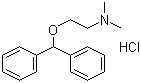
The molecular structure of diphenhydramine consists of a central ethanolamine chain linked to two phenyl rings via a tertiary amine. The presence of the tertiary amine allows the formation of a hydrochloride salt, which is more water-soluble than the free base. The phenyl groups contribute to lipophilicity, facilitating the compound’s penetration through biological membranes, including the blood-brain barrier, which accounts for its sedative effects. The ethanolamine moiety also provides flexibility and hydrogen-bonding potential, enhancing receptor binding.
Diphenhydramine hydrochloride is typically synthesized by alkylation of diphenylmethanol with 2-dimethylaminoethanol, followed by conversion to the hydrochloride salt. This synthetic route allows efficient production of high-purity material for pharmaceutical use. Quality control measures ensure consistency in the salt form, which is essential for predictable pharmacokinetic and pharmacodynamic behavior.
The primary mechanism of action of diphenhydramine hydrochloride is the competitive inhibition of histamine at H1 receptor sites. By blocking histamine binding, it prevents the cascade of allergic responses, including vasodilation, increased vascular permeability, and sensory nerve stimulation. In addition to its antihistaminic activity, diphenhydramine exhibits anticholinergic properties, which contribute to its antiemetic and sedative effects. This dual activity has made it a versatile agent in clinical practice.
Clinically, diphenhydramine hydrochloride is used to relieve acute allergic reactions, hay fever symptoms, and chronic urticaria. It is also employed in the management of motion sickness, nausea, and insomnia due to its sedative properties. Topical formulations can provide localized relief from insect bites and minor skin irritations. The pharmacological profile of diphenhydramine, including its onset and duration of action, makes it suitable for short-term symptom management.
Beyond therapeutic use, diphenhydramine hydrochloride has been studied as a chemical intermediate in the preparation of related antihistamines and other pharmaceuticals. Its chemical properties, including reactivity of the tertiary amine and the phenyl groups, allow structural modification to generate new derivatives with tailored pharmacokinetic or pharmacodynamic characteristics.
Overall, diphenhydramine hydrochloride is a widely used antihistamine with a well-established safety and efficacy profile. Its combination of H1 receptor antagonism, anticholinergic activity, and versatile formulation options make it a key agent in the treatment of allergic disorders, motion sickness, and sleep disturbances.
References
2025. Shifting perspectives: diphenhydramine usage in anaphylaxis and urticaria across US emergency departments. The American Journal of Emergency Medicine.
DOI: 10.1016/j.ajem.2025.04.055
2025. HPLC–MS/MS Determination of Antihistamines Cyproheptadine, Diphenhydramine and Tripelennamine in Food and Feed. Journal of Analytical Chemistry.
DOI: 10.1134/s1061934825700546
1945. Observations on the nature of the antagonism of histamine by beta-dimethylaminoethyl benzhydryl ether (benadryl). The Journal of Pharmacology and Experimental Therapeutics.
DOI: 10.1016/s0022-3565(25)07897-8
|





 GHS07 Warning Details
 chemBlink Chemical Story